news
16
A city in deep water
May 23, 2026
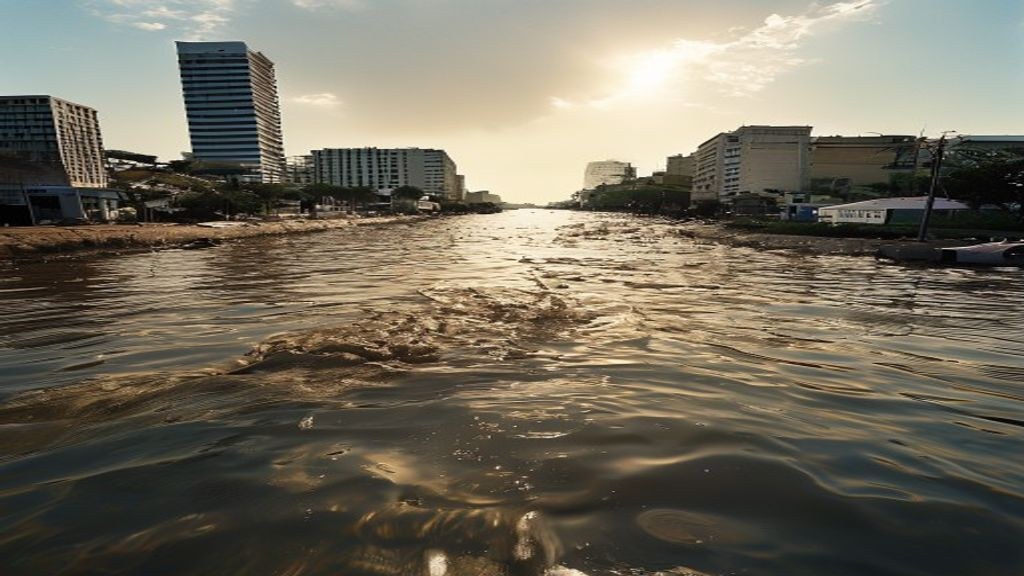
Forget load shedding, bru – Durban’s infrastructure is collapsing so fast, you’ll be swimming in something far worse than darkness. The Golden Mile is looking less golden and more… well, brown. What was once the pride of KwaZulu-Natal is now a stinking mess, and your next holiday plans might need a serious rethink. This isn’t just a municipal embarrassment anymore; it’s a full-blown structural crisis, and it’s time someone took serious accountability.
## So, What Exactly is Going On Down There?
Let’s be blunt: things are kak. The breakdown isn’t a sudden event, it’s a systemic decline rooted in a culture of neglect. Specifically, the failure of the Mahatma Gandhi pump station – apparently one of Africa's largest – is the headline grabber, but it’s just the tip of a rather unpleasant iceberg. Before it went belly up, the facility was already operating with only half its required pump capacity. *Half!* Jislaaik.
This wasn’t some unforeseen disaster, boet. It was a vulnerability staring them in the face. The source of the problem? Deferring routine maintenance until catastrophic equipment failure occurs. It’s like ignoring that check engine light in your old Golf until the engine seizes – short-sighted and expensive. And now, eThekwini’s infrastructure is simply incapable of handling the operational stress.
## From Beach Vibes to Brown Tides: How This Affects Your Lekker Life
Let's talk about your weekend plans. Remember those lekker days spent surfing, jet-skiing, or just chilling on Durban’s beachfront? Forget about it. Chronic pollution has driven yacht club members away. Sporting events are being moved indoors *because of the stench of sewage*. Can you imagine? Nando’s is still open, thankfully, but even a peri-peri chicken can’t mask *that* smell.
Boat owners are even relocating to alternative ports. This isn’t just about ruining a holiday; it’s about damaging Durban’s reputation as a premier international tourism and watersports destination. Think about the impact on the hospitality industry – hotels, restaurants, tour operators – they’re all staring down the barrel. This is a disaster for the local economy, bru.
## Is Your Tap Water Safe? Eish, Don't Even Ask...
Right, let’s get real about the water you’re drinking. A surge in severe gastroenteritis symptoms across multiple communities is a massive red flag. Despite official assurances that the tap water remains compliant with safety standards, pervasive public distrust is growing. Reports of foul odours and discoloured water are flooding in. People are losing confidence in the very basic service of having safe drinking water.
Raw effluent is *actively pouring into the harbour*. Let that sink in. You’re more likely to find something unpleasant in the water than a dolphin these days. This poses an unacceptable health hazard, especially to vulnerable residents. You’d think in 2024, we’d be past this kind of thing. Eish.
## The Real Cost: This Isn't Just About a Stinky Harbour
This isn’t just about a bad smell and a cancelled beach day. This is about the economy, boet. The reputational damage is already rippling through maritime networks. The damage threatens to ripple globally, devastating the local hospitality industry and broader commercial confidence.
We’re talking about potential job losses, reduced investment, and a long, slow recovery. This isn’t some minor inconvenience; it’s a serious threat to Durban’s economic foundation. Forget about attracting foreign investment when your harbour smells like a sewer.
## What's the Plan, Boet? Can Durban Actually Fix This?
Okay, so what needs to happen? The municipality needs to instantly deploy emergency engineering resources to restore full, redundant capacity at critical pump stations. Redundancy is key here – you need backups for your backups. And they need to implement rigorous, transparent daily water testing across all districts to restore public trust. Transparency is crucial; people need to know what’s in their water.
Looking forward, eThekwini needs to transition from reactive crisis management to a dedicated infrastructure maintenance budget. We’re talking about preventative maintenance, not just patching things up when they break. Establishing automated early-warning monitoring systems and enforcing strict accountability for municipal engineering departments are essential. Someone needs to be held responsible for this mess.
## Beyond Durban: Is This a Warning for the Rest of SA?
This isn’t just a Durban problem, bru. This is a warning sign for the rest of South Africa. Are other cities facing similar infrastructure challenges? Are we all just one broken pump station away from a similar disaster?
We’ve seen the effects of neglecting infrastructure across the country – potholes the size of small cars, unreliable electricity supply, and water shortages. Durban’s crisis should serve as a wake-up call. If we don’t invest in maintaining our infrastructure, we’re heading for a future of chaos and decline.
Durban’s harbour is officially kak. The neglect is unforgivable, the consequences are dire, and the future is uncertain. It’s time for decisive action, accountability, and a serious commitment to infrastructure maintenance. Your holiday plans? Probably best to look at Cape Town or maybe even a weekend braai at home.
But here’s the real question: with infrastructure crumbling across the country, are we witnessing the beginning of a broader decline, and what can *you* do to hold those in power accountable? Click here to find out how to make your voice heard.
Based on reporting by
https://iol.co.za/ios/opinion/2026-05-22-a-city-in-deep-water/